
Helping Students Navigate Digital Drama
Students love watching drama unfold online. How can we teach them to de-escalate it instead?
As legislation targets education technology, school and district leaders need evidence-based answers. This guide cuts through the noise with research-grounded responses to the questions administrators are hearing most — and the language to make the case for high-quality edtech.
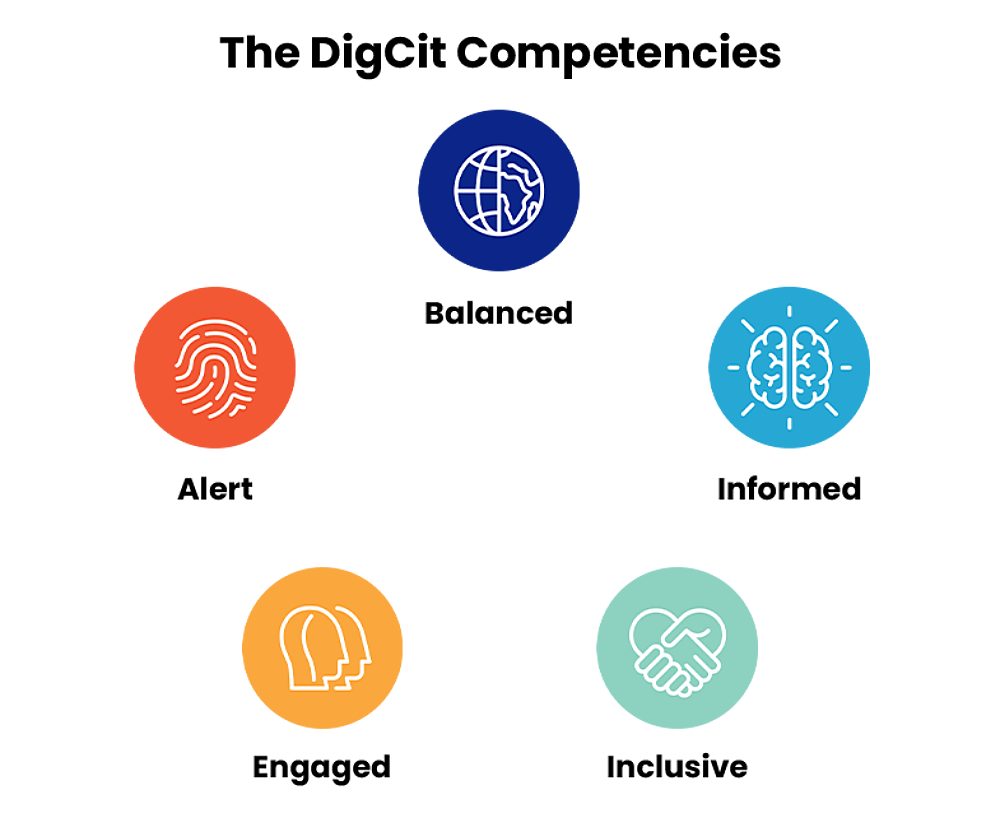
Students participate in a healthy variety of online activities and know how to prioritize their time between virtual and physical activities.
Students evaluate the accuracy, perspective and validity of digital media, and have developed critical skills for curating information from digital sources.
Students are open to hearing and recognizing multiple viewpoints, and engaging with others online with respect and empathy.
Students use technology and digital channels to solve problems and be a force for good in their families and communities.
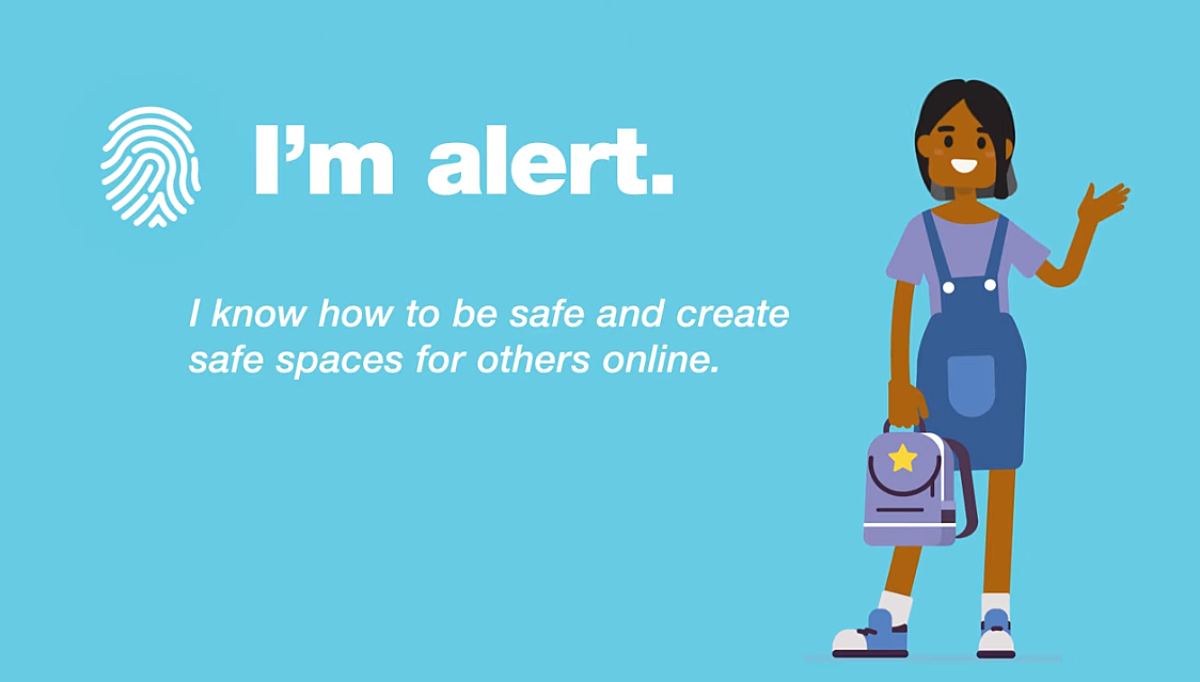
Students are aware of their digital actions and know how to be safe and create safe spaces for others online.
By supporting educators from around the world with resources, learning and engagement opportunities, we challenge students to stay safe, solve problems and become a force for positivity. This campaign brings together organizations with different perspectives, focus areas and expertise to support the education community.
Free DigCit learning activities designed for elementary, middle and high school students are available now!
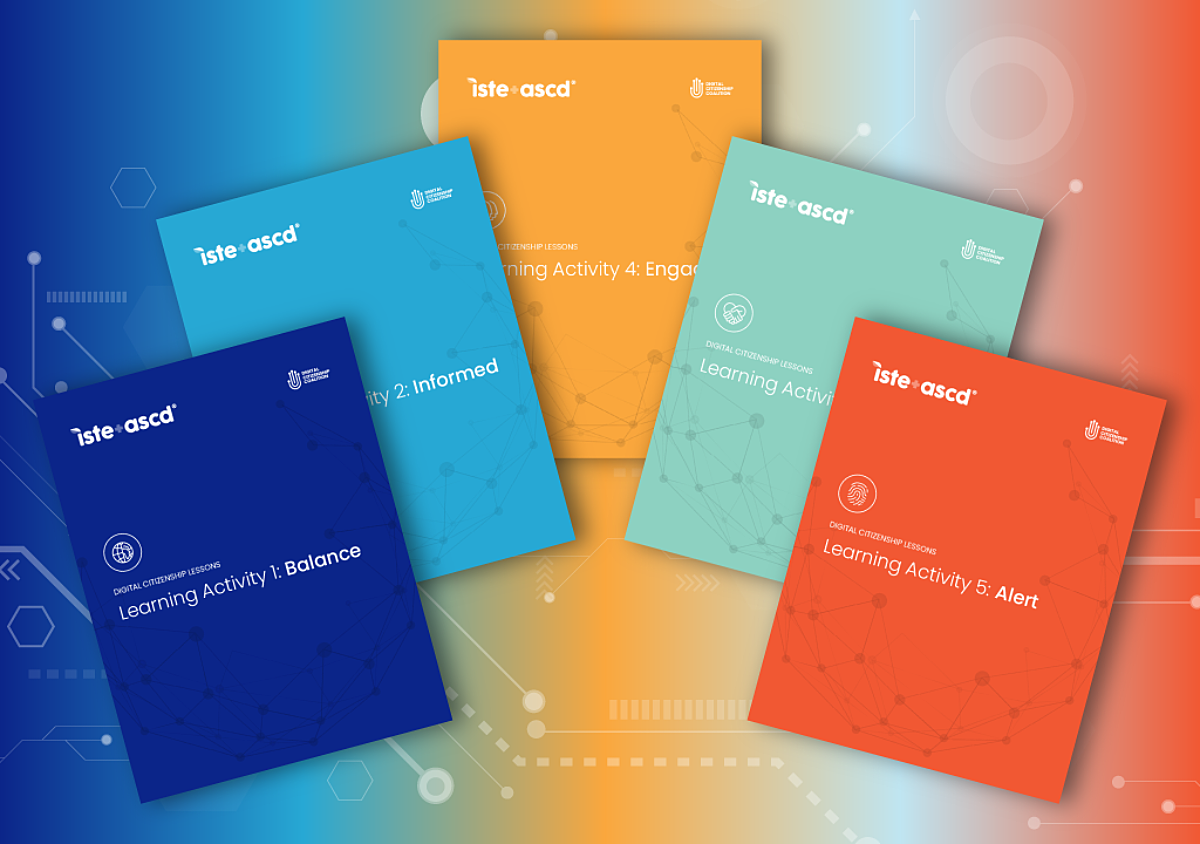
We offer a wide range of online, blended, and in-person learning about digital citizenship for beginners all the way to experts.

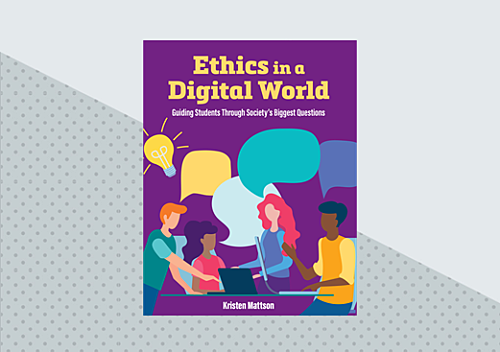
Digital citizenship is about more than online safety. It’s about creating thoughtful, empathetic digital citizens who can wrestle with the important ethical questions at the intersection of technology and humanity.
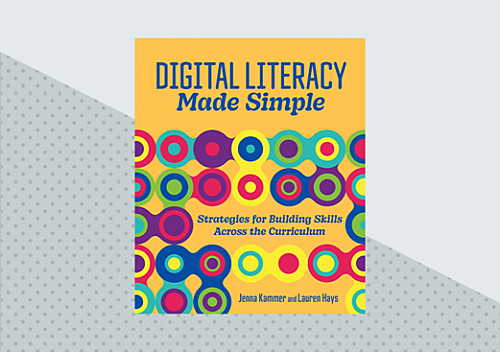
The self-paced course Digital Literacy in the Classroom guides K-12 educators in developing and utilizing digital literacy skills as a key component of digital citizenship to support students’ development.
ISTE+ASCD collaborates with educators and leaders across schools, districts, states, and ministries to build an understanding of digital citizenship. Contact us and learn more.
Schools must balance providing innovative learning opportunities with ensuring student safety and promoting positive digital behaviors. Download the Digital Citizenship Coalition publication: Setting Conditions for Success: A Guide for Creating Effective Responsible Use Policies (PDF) to get started.
Students love watching drama unfold online. How can we teach them to de-escalate it instead?
To prepare students for a rapidly evolving workforce, our newest teachers have to be confident in their AI knowledge and skills.
Schools need to focus on AI life skills in teaching and learning.
Learn what works and what doesn’t when teaching students responsible and healthy device use.
The principles of close reading, source analysis, and civics education can prepare students to sort fact from fiction—now and in the future.
Instead of focusing on “dos and don’ts,” digital citizenship must help students explore complex questions.
We want to support educators everywhere. Get in touch with us.